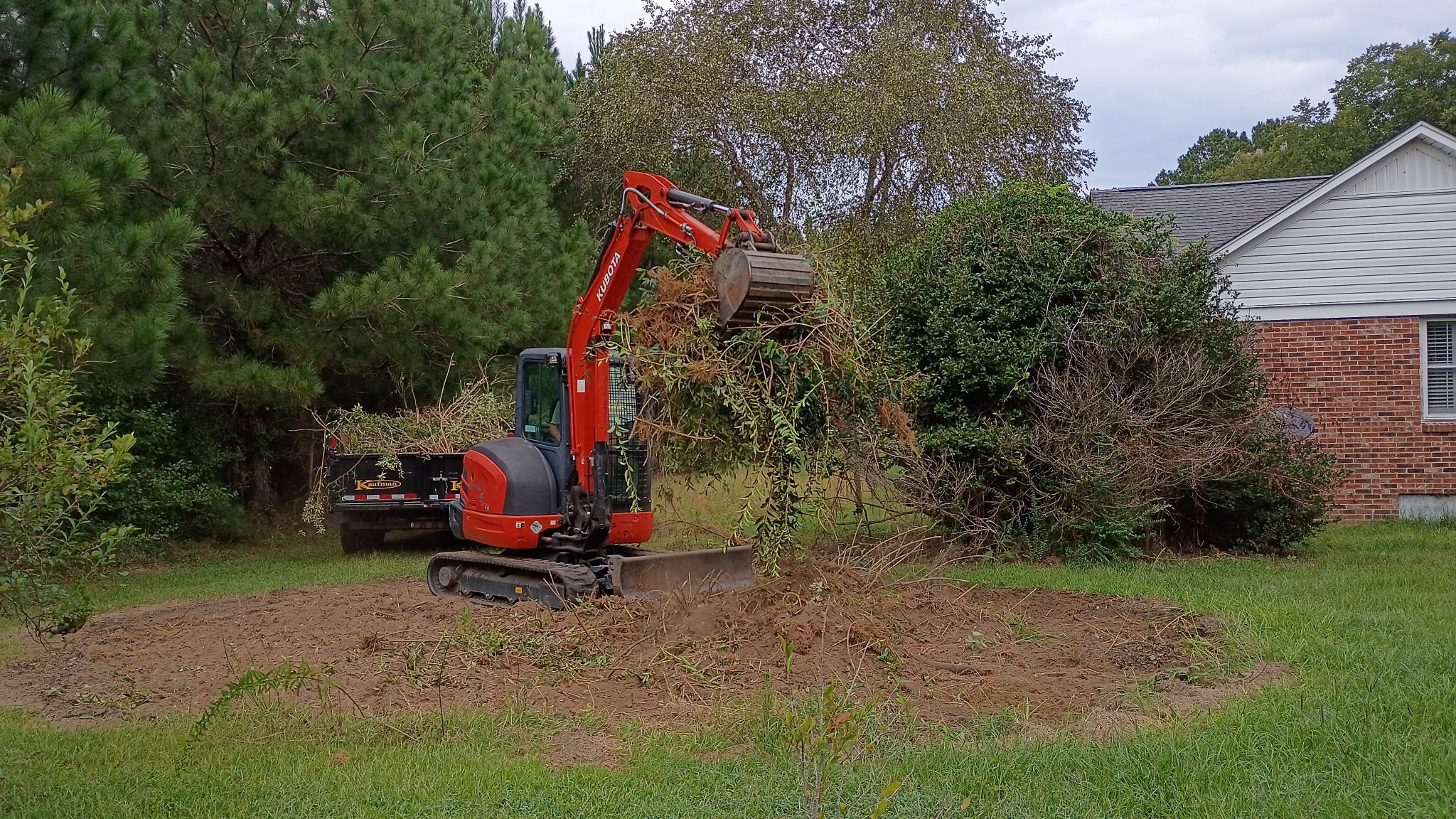
Signs You Need Land Clearing
Part of our Land Clearing service
Signs you need land clearing include blocked access, dense brush, spreading vines, unwanted trees, and stumps or slash covering a planned work area. Some conditions can wait when they affect unused ground, but growth that blocks a right-of-way or prevents a project from starting deserves earlier attention.
This guide is for homeowners, commercial property owners, builders, landowners, and property managers in Mayesville, Sumter, Florence, Greenwood, Columbia, Manning, Bishopville, Lamar, Timmonsville and Dalzell. South Carolina’s warm growing season can spread brush, vines, and volunteer trees across unused ground, while wet periods may leave low areas soft. Recognizing the signs early helps you decide what should be cleared now and what can wait.
On this page
What Are the Signs You Need Land Clearing First?
The most urgent signs you need land clearing involve blocked access, an unusable project area, or ground hidden by heavy growth. These conditions can interfere with equipment, deliveries, maintenance, or the next stage of site work.
A site visit helps separate trees, brush, vines, stumps, and slash that must be addressed from vegetation that can remain. The amount of clearing depends on the intended use, access, terrain, and boundaries you want to protect.
A right-of-way is blocked. Trees, brush, or vines that close an access route can interfere with equipment, deliveries, maintenance, or other planned use. This usually deserves attention before clearing unused space.
The planned work area is inaccessible. Thick vegetation can prevent crews from reaching a building site, driveway, utility route, or other work area. The scope depends on access width, terrain, and what needs to remain protected.
Stumps and slash cover the ground. Stumps can catch equipment and limit future use. Slash is loose material left after trees or brush are cut, and it can obstruct traffic or make layout work difficult.
Vines and brush are overtaking usable ground. Heavy growth can hide property lines, drainage paths, uneven ground, fallen limbs, and old stumps. Clearing may be appropriate when you need to inspect, maintain, build on, or access the area.
A project needs a defined clearing limit. Construction, an access route, or a future outdoor improvement may require a specific area to be opened. Marking that boundary helps avoid clearing more ground than the project needs.
Signs You Need Land Clearing That Can Wait
Land clearing can often wait when vegetation is limited to unused ground and does not block access or interfere with a planned project. Waiting may make sense if you are still deciding how much of the property to use.
Waiting does not mean the entire area should eventually be cleared. A clear scope can separate the project footprint from land you want to leave untouched, then account for the trees, brush, vines, stumps, and debris within that boundary.
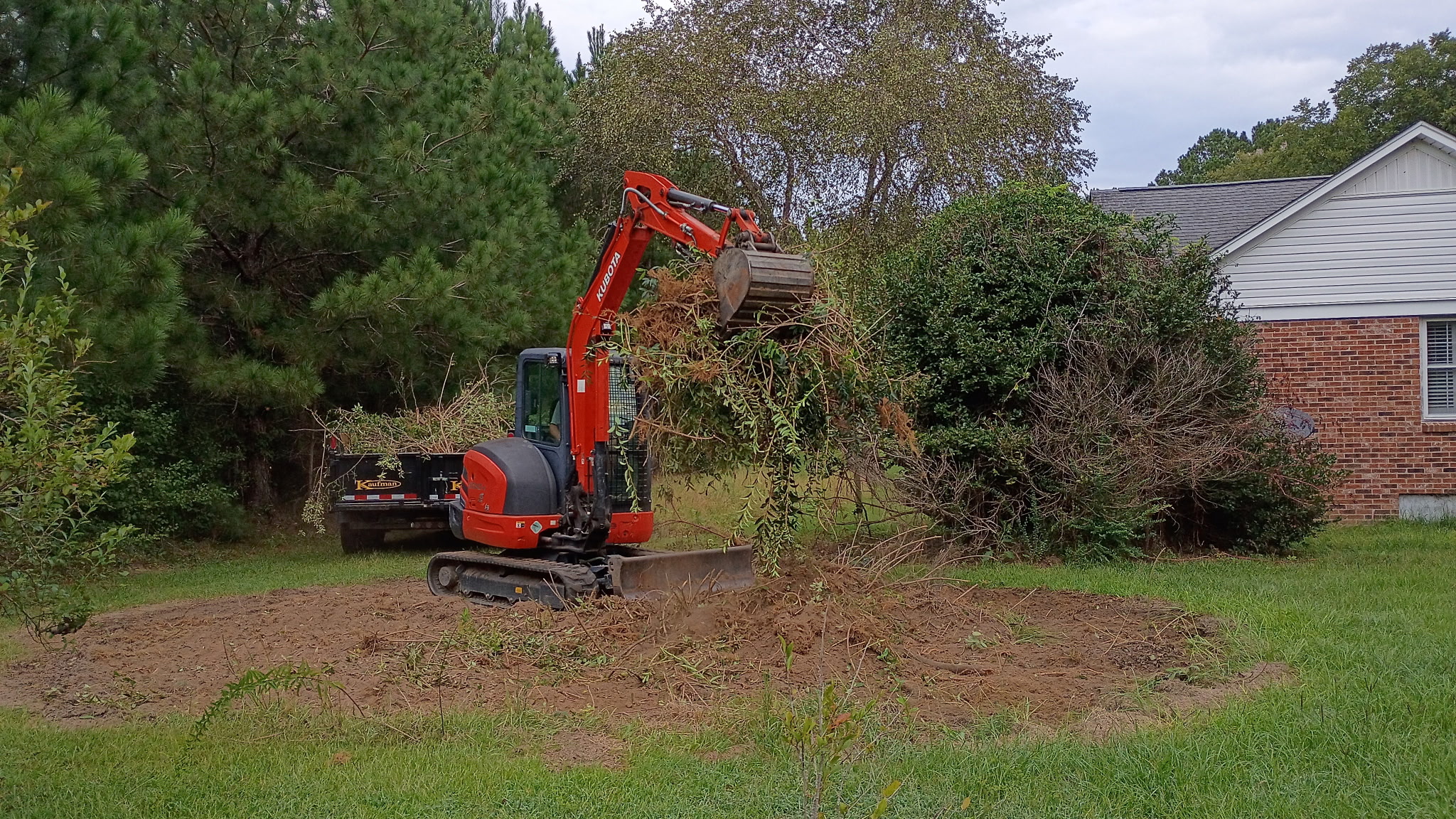
How Do Terrain and Vegetation Change the Work?
Terrain changes equipment access, the clearing method, and the amount of follow-up work required. Slopes, soft ground, dense growth, scattered stumps, and different tree sizes can make one part of a property much more involved than another.
Grubbing means removing roots and low growth from the soil surface. It may be needed when cleared ground must support a future project, but not every land clearing job requires the same depth of removal.
Windrowing places slash and other debris into organized rows. Stump removal addresses the woody bases left below cut trees, so it should be discussed separately instead of being assumed to come with every clearing plan.
What Should You Confirm Before Scheduling?
Before scheduling land clearing, define the area, intended use, access conditions, and material that must be removed. Clear answers keep a brush project from being confused with full site clearing.
Use this order when preparing for an estimate:
1
Identify the project area. Explain which section needs to be opened and which trees, vegetation, or natural areas should remain. Photos, marked boundaries, and a site visit can make the limits easier to understand.
2
Describe the intended use. Explain whether the area relates to access, construction preparation, property maintenance, or a future outdoor project. The intended use affects how the ground and remaining debris are handled.
3
Review terrain and access. Point out slopes, soft ground, narrow entrances, overhead obstacles, and areas equipment must avoid. These conditions can change the work sequence and estimated scope.
4
Decide how stumps and debris will be handled. Ask whether stump removal is included and whether slash will be removed or windrowed. Cutting vegetation and finishing the ground are separate parts of many clearing plans.
5
Confirm scheduling and the final walkthrough. The estimate should include clear communication about expected lead time and scheduling. After the work, walk the area together and compare the result with the agreed scope.
When Should You Ask for a Land Clearing Estimate?
Ask for an estimate when you can describe the area you need opened, even if you are unsure about the exact clearing method. A contractor can review the mix of trees, brush, vines, stumps, and terrain before the work is scheduled.
SDK Outdoor Solutions schedules estimate appointments, communicates estimated lead time and scheduling, completes the work, and verifies customer satisfaction before leaving the job. That process gives you a chance to discuss how clearing may fit with future grading or landscaping.
Frequently Asked Questions
Can one project remove trees, brush, and vines together?
It can, depending on the site conditions and the agreed clearing limits. The estimate should identify the vegetation mix, access needs, stump work, and debris handling so the scope is clear before scheduling.
How much of my property should be cleared?
Clear the area required for your current use or planned project unless you have another reason to open more ground. Marking the limits during the estimate helps protect areas you want to keep and gives the contractor a defined scope.
What happens to stumps and clearing debris?
Stumps and debris should be discussed as separate parts of the clearing plan. Slash may be removed or windrowed, while stump removal may require additional work below the surface.
Can clearing be coordinated with future grading?
Yes, future grading needs can be discussed during the clearing estimate. Explain what you expect to do later so access, debris placement, and the amount of ground disturbance can be considered in the initial plan.
Working With SDK Outdoor Solutions
SDK Outdoor Solutions provides Land Clearing for homeowners, commercial property owners, builders, landowners, and property managers in Mayesville, Sumter, Florence, Greenwood, Columbia, Manning, Bishopville, Lamar, Timmonsville and Dalzell. The process starts with a scheduled estimate, clear communication about lead time and scheduling, and a final walkthrough to verify the work before the job is complete.
See our Land Clearing service →
Get a Quote on Your Land Clearing
Share the property conditions, access concerns, vegetation, and project area so SDK Outdoor Solutions can review the job and give you a straight answer.
